The right balustrade depends on where it is going, how it will be used, what it needs to look like, and what your budget is. This guide works through each of those decisions in order, so you can arrive at a shortlist of systems that actually suit your project.
— 01 Start with location.
The single biggest factor in choosing a balustrade is where it is going. Indoor and outdoor installations have different requirements, and coastal or industrial environments have stricter ones again.
— 02 Choose your material.
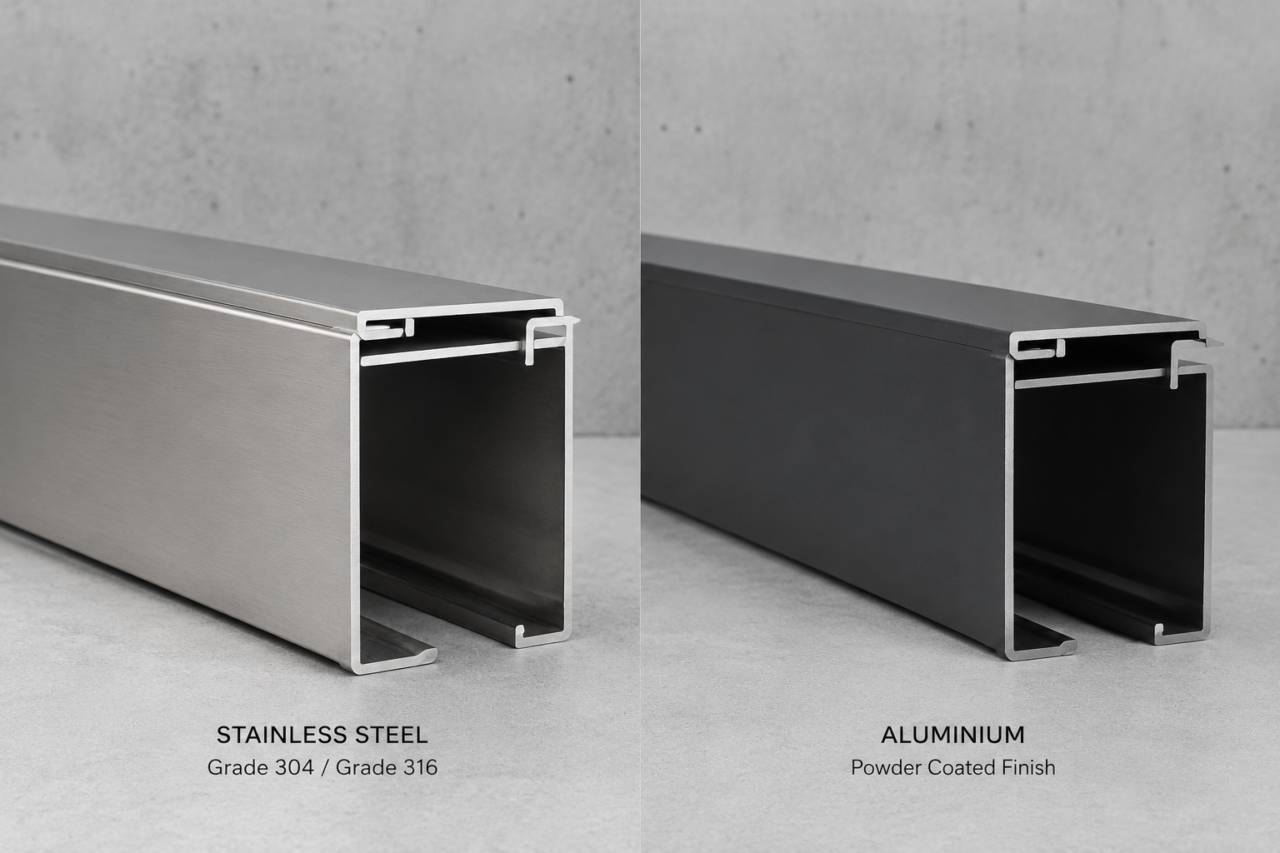
SWR systems are available in stainless steel and aluminium. Both are durable and low maintenance, but they suit different applications.
Stainless steel The most popular choice for both domestic and commercial projects. Grade 304 is suitable for internal use and sheltered external locations. Grade 316 is recommended for exposed external installations and essential in coastal environments, due to its higher resistance to salt and corrosion.
Aluminium Lighter than steel and available in a wider range of powder coat colours. Well suited to external applications where a colour-matched finish is needed. SWR’s Aluminium Channel System offers a clean, frameless look for contemporary projects.
Fig 1 Illustrative comparison only. The image is intended to represent the typical appearance of stainless steel and aluminium SWR channel systems. Actual colour, finish, profile dimensions and surface texture may vary depending on the product specification, grade, coating and manufacturing process.
— 03 Choose your systems.
SWR offer a range of systems to suit different applications, aesthetics, and budgets. The most common choices are below.
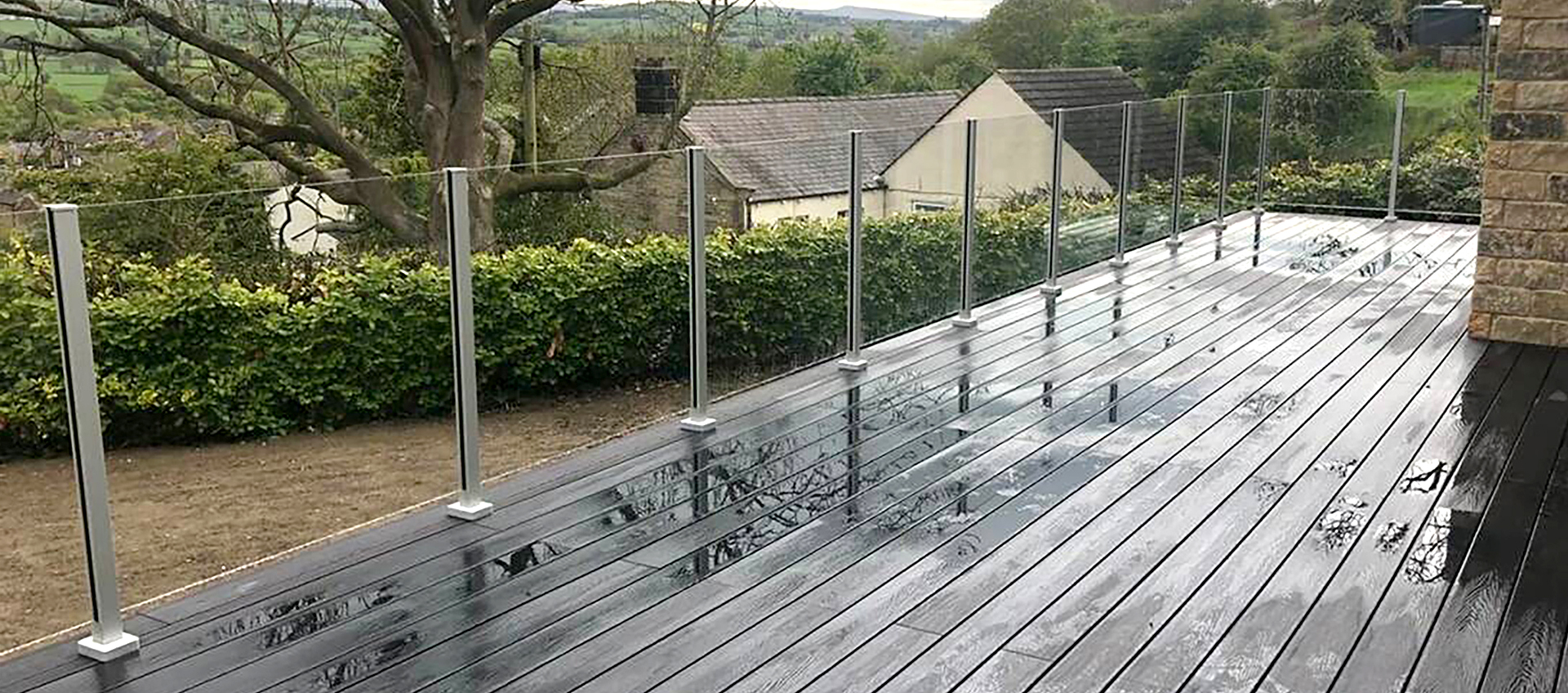
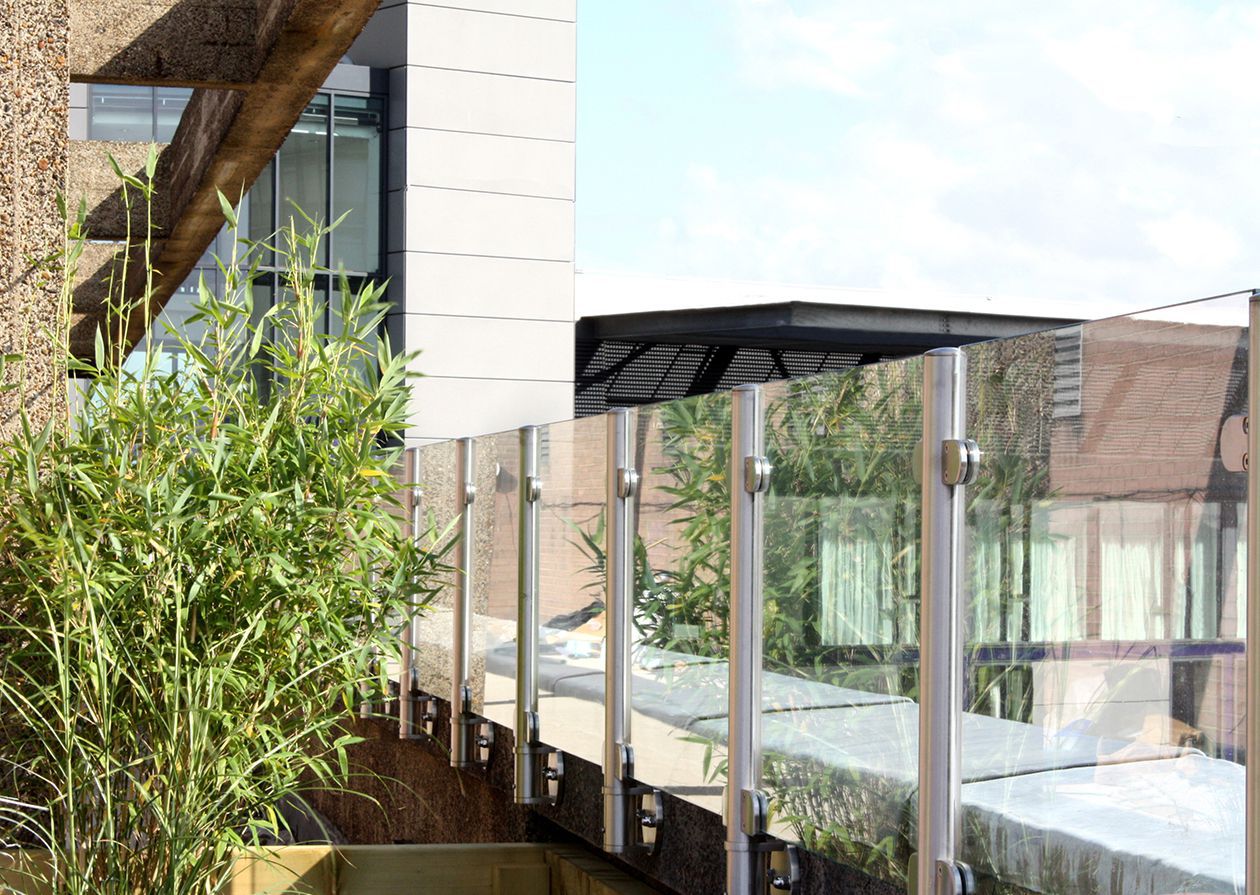
- Glass with posts (Glass Modular) Stainless steel posts with glass panel infill. The most versatile system — suitable for stairs, landings, balconies, terraces, and commercial spaces. Available in round or square post profiles, base fixed or side fixed, in AISI 304 or 316 stainless steel. Works with toughened or toughened and laminated glass.
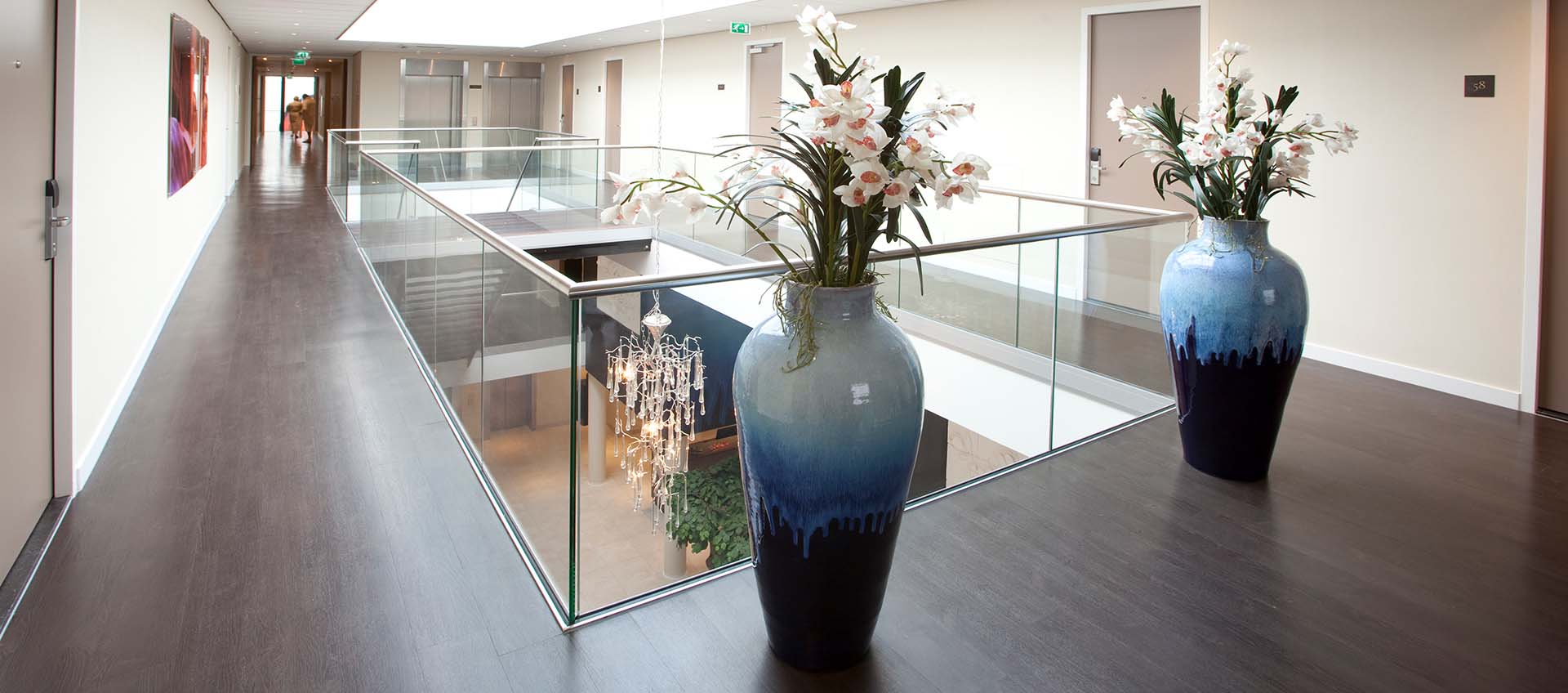
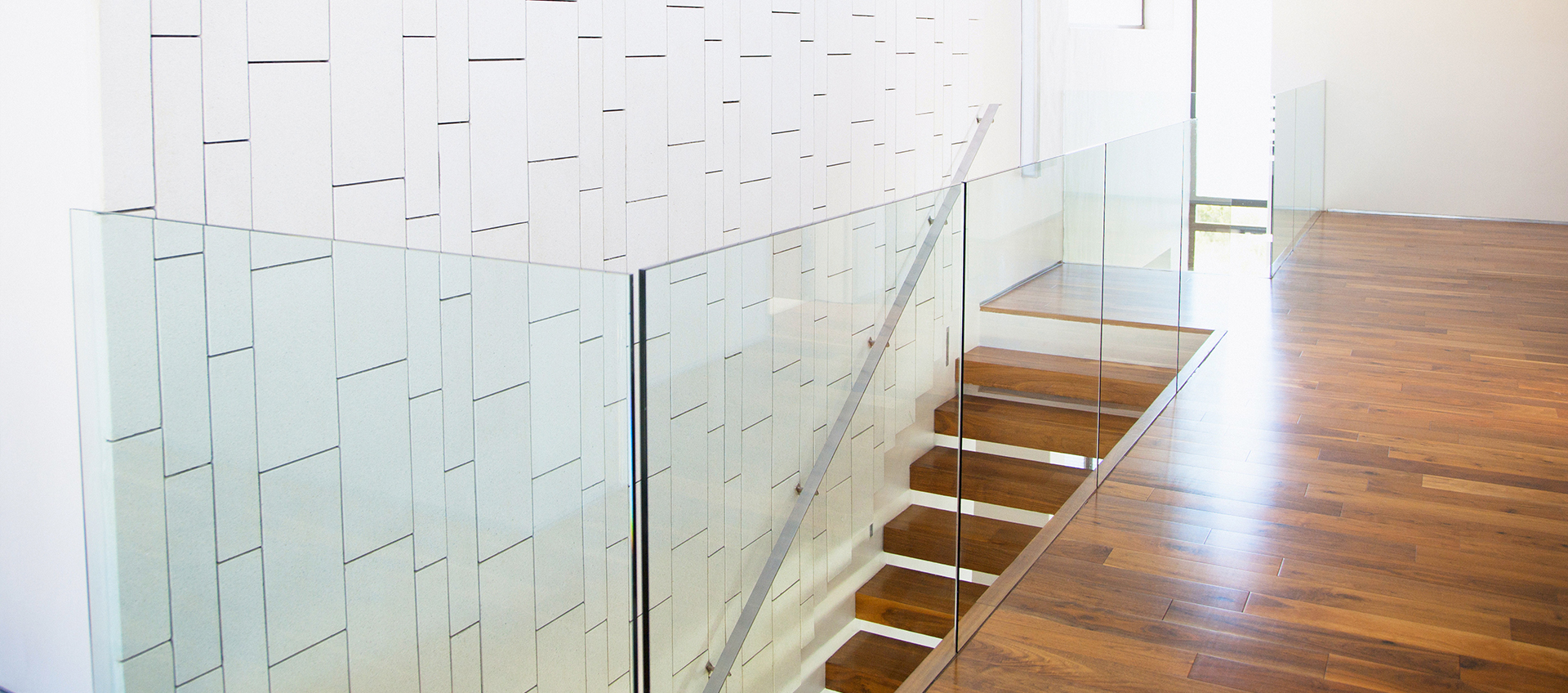
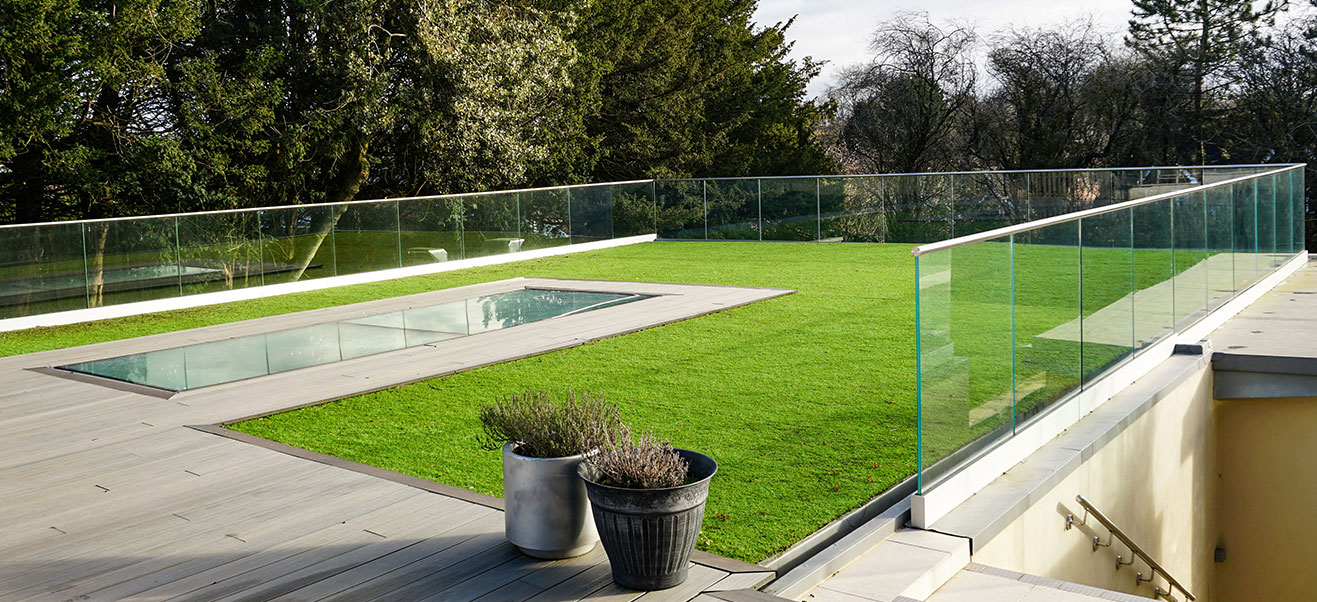
- Frameless glass (Glass Channel / Glass Spigots) Glass panels fixed via an aluminium channel at the base, or individual spigot fixings, with no visible posts. Provides unobstructed views and a clean, minimal finish. Popular for balconies, terraces, and contemporary staircases. The Glass Channel system uses aluminium base channels; the Spigot system uses individual point fixings for an even more minimal look.
- Glass Adaptors A retrofit option for projects where structural posts are already in place. Glass panels are fixed to existing posts using stainless steel adaptors. A cost-effective solution when replacing wire rope or other infill on an existing frame.
- Wire rope (Wire Rope Modular) Stainless steel posts with horizontal or vertical tensioned wire rope infill. A contemporary, open alternative to glass. Lower visual impact than glass systems, well suited to gardens, terraces, and external commercial environments. Available in horizontal and vertical configurations.
- Wall mounted handrails A stainless steel handrail fixed directly to the wall, without posts or infill. Suitable for staircases and walkways where a full balustrade is not required. Available in AISI 304 or 316, suitable for indoor and outdoor use.
- Juliet balconies A fixed glass barrier installed in front of a door or window at height. No walkable balcony area — purely a safety barrier. Available in toughened glass with stainless steel or aluminium components.
- ClickitUp (specialist) A modular glass balustrade system designed for temporary or flexible use. Adapts to changing conditions without permanent fixing. Developed in partnership with ErgoSafe, suited to events, hospitality, and outdoor commercial spaces.
— 04 Think about glass.
If your chosen system uses glass, you will need to decide on glass type and thickness.
Toughened glass is required when the balustrade has a handrail. Toughened and laminated glass is required when there is no handrail, as it holds together if broken. SWR supplies glass for all systems — thickness is determined by the system, span, and load requirement.
— Glass specification
Not sure which glass you need? SWR can advise on the correct specification for your system and application. Get in touch before ordering.
— 05 Consider budget.
Balustrade costs vary depending on system type, glass specification, run length, and whether installation is included. As a general guide:
- Modular systems with wire rope infill tend to be the most cost-effective option
- Glass channel and spigot systems cost more due to glass specification and fixing requirements
- Commercial projects with higher load requirements may need specific systems and documentation
SWR provide a Quick Guide Price tool on the website, which gives an indicative cost in minutes based on your system and run length.
— 06 Still not sure?
If you are still unsure which system is right for your project, the SWR team can help. They can advise on system selection, load requirements, glass specification, and compliance documentation.
Use the online configurator to design your system and get a quote, or get in touch directly.
New · ErgoSafe ClickitUp
Not sure which system is right for you?
Our team can talk you through the options for your project. Call us on 01442 211535 or send an enquiry and we’ll come back to you.