Open-tread, traditional, curved or floating — every staircase has its own balustrade specification. Six SWR systems, one for every staircase project.
Staircase balustrade is the most demanding application we engineer. Tighter regulations than balconies (Governed by both BS6180 and Approved Document K Part 1). The right system depends on the staircase style, the project’s design, and the requirements of the application. This page is to help you make the right choice, but please feel free to pick up the phone and get in touch.
A side-by-side comparison of how the four staircase-suitable SWR systems perform against the criteria that matter on stair projects. Use it to narrow your shortlist before getting into the details.
– Still not sure? Send us a sketch and we’ll tell you which one fits.
Each card below routes to the full system page with technical specifications, drawings, configurator and pricing.
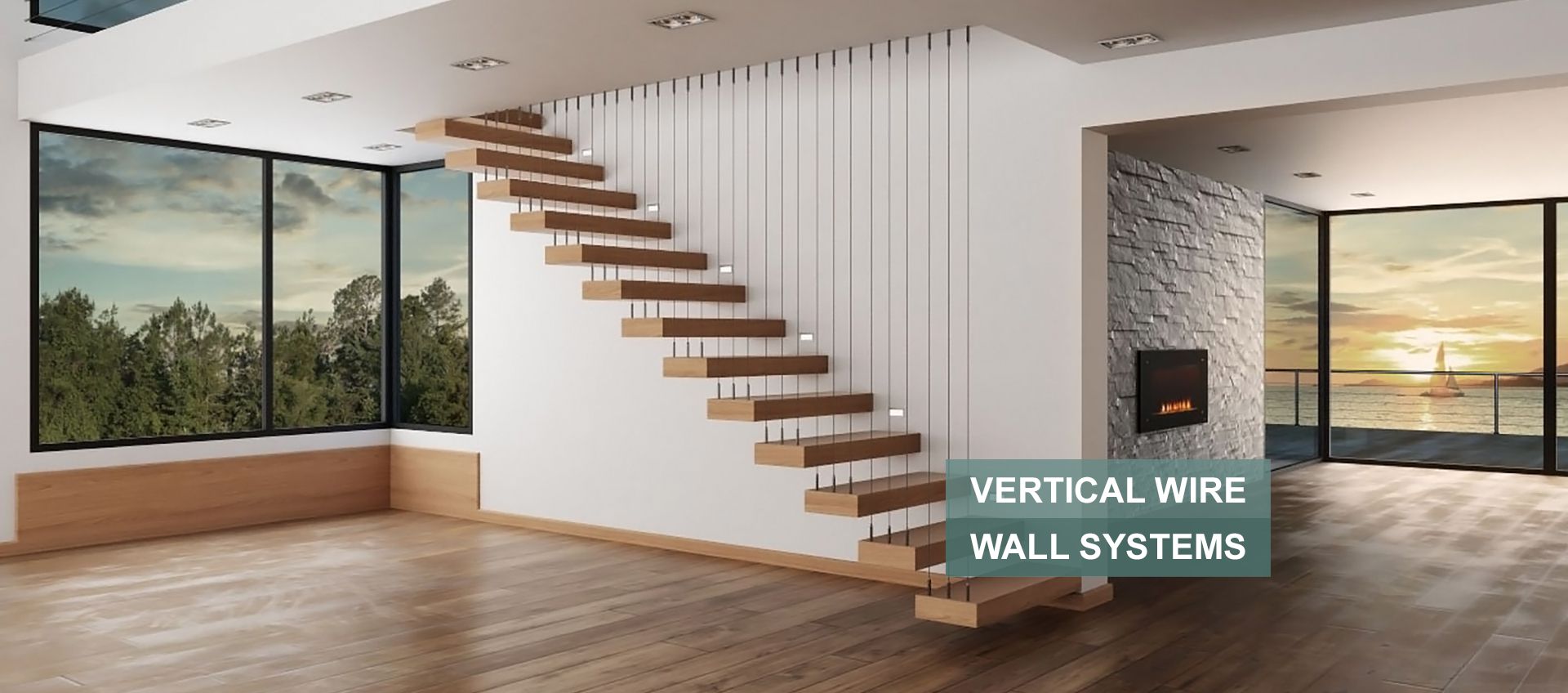
4mm · 100mm centres · post-mounted
A vertical wire rope wall is a great way to add a modern touch to indoor or outdoor locations. Our wire rope uses easy-to-fit terminals, suitable for a number of different surfaces, from interior wooden staircases to outdoor concrete.
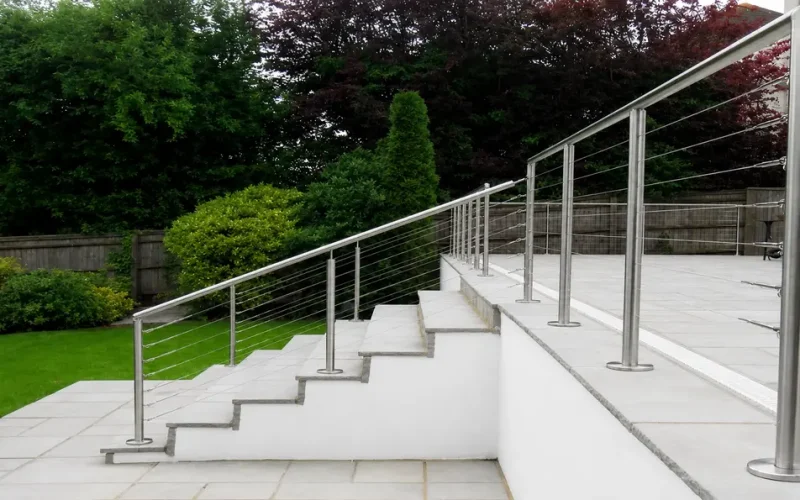
4MM · 90MM CENTRES · POST-MOUNTED
A horizontal wire rope balustrade creates a clean, modern finish in both residential and commercial spaces. Combining durable wire rope with stainless steel posts, our systems suit a wide range of indoor and outdoor applications, from patios and decking to larger commercial projects.
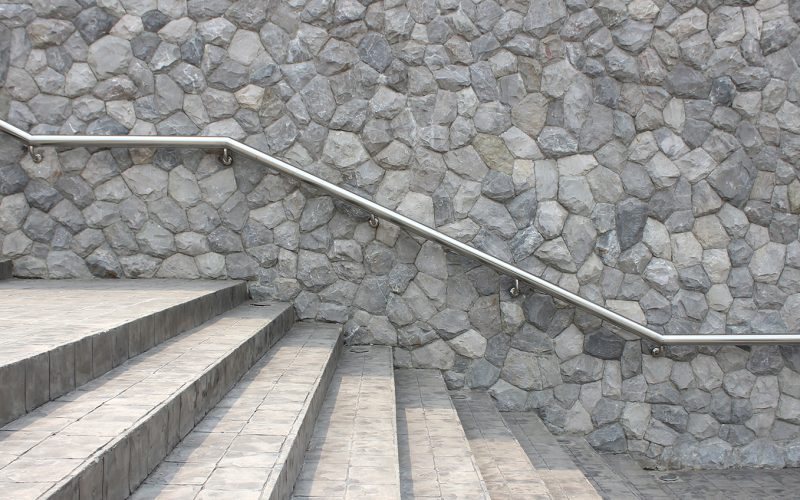
4MM · SIDE-FIXED · STAIR STRINGERS
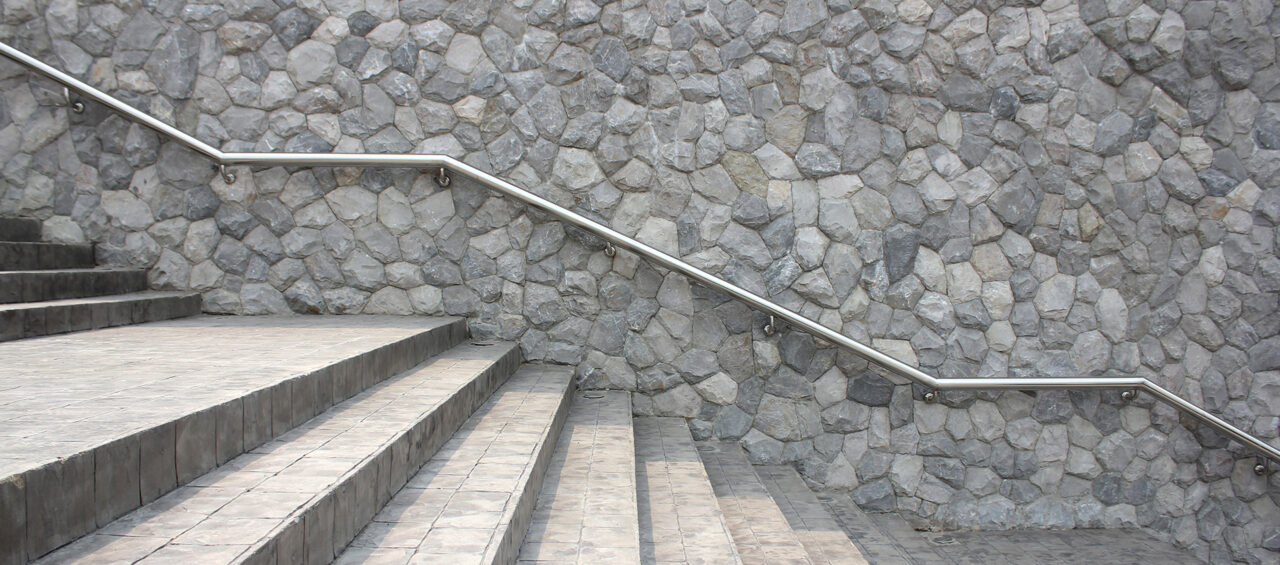
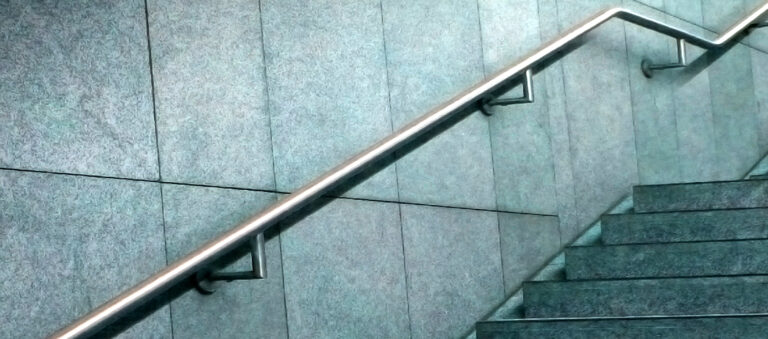
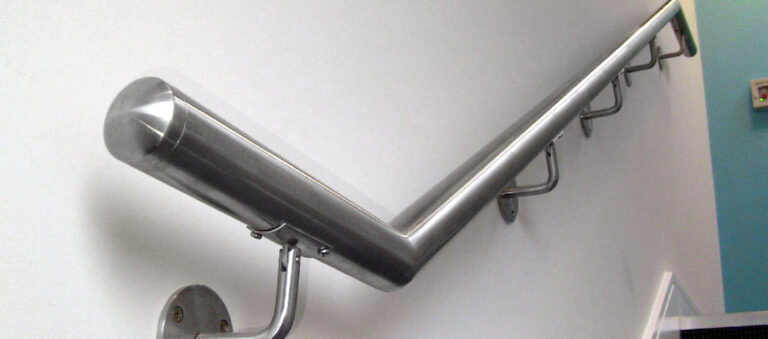
Our wall mounted handrails offer a simple, modern solution for residential staircases and access areas. Manufactured from premium grade stainless steel, they provide a hard-wearing alternative to traditional timber handrails while adding a clean contemporary finish. Suitable for indoor and outdoor staircase applications, they are available in both Satin and Mirror Polished finishes.
4MM · DIY-FRIENDLY · EASY TO CUT TO LENGTH
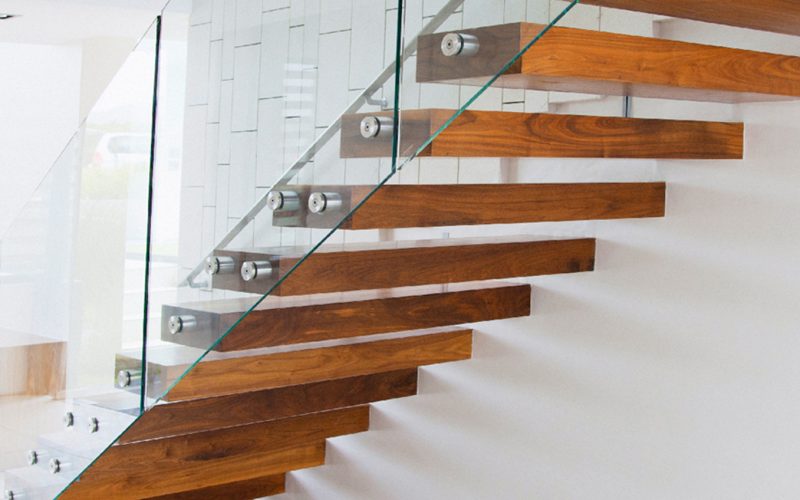
Glass adapters are a clean and modern solution for frameless glass staircase balustrades. Manufactured from high-grade stainless steel, they provide a secure fixing point while maintaining an open, minimal appearance. Suitable for residential and commercial staircase projects, the system supports multiple glass thicknesses and can be paired with stainless steel handrails for a complete balustrade finish.
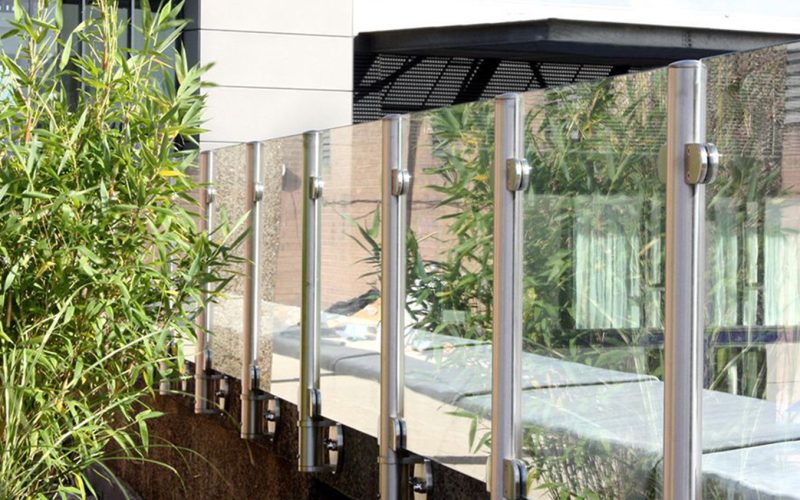
ROUND/SQUARE POSTS · AISI 304/316 · CORNER COMPATIBLE
Toughened glass panels held within a stainless modular post frame, round or square profile posts with glass adapter fixings between. The structural confidence of a post system with the open aesthetic of glass infill. Available in 304 or 316 stainless to suit indoor or exposed outdoor applications. Flexible by design, accommodating corners, steps and changes in level.
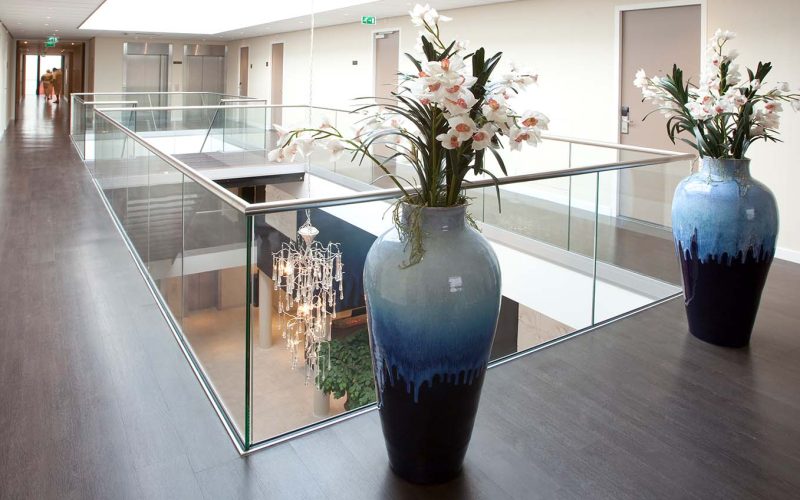
CONTINUOUS CHANNEL · FRAMELESS GLASS · COMMERCIAL GRADE
A continuous aluminium base channel system for frameless glass balustrades. Glass panels sit within the channel profile fixed to the floor. Widely specified in commercial settings. Supplied by OnLevel.
Every staircase balustrade system we supply is designed in line with your project. Depending on the height drop and other project-specific elements, we will ensure your system meets Approved Document K and BS 6180 where applicable. From guarding heights and structural loading to fixing methods and material durability, our systems are engineered to provide safe, compliant and long-lasting protection for raised outdoor areas.
The top of the staircase balustrade must be at least 900mm measured vertically above the pitch line of the stair. Above the top landing, the same balustrade height applies (1,100mm if the landing exceeds 600mm in width — see Doc K 1.36).
Where children under five could use the staircase, the balustrade must be designed so that a 100mm sphere cannot pass through any opening. Glass infill (modular or channel) passes by default.
A continuous handrail must be available on at least one side of the stair flight. A balustrade with a structural top rail satisfies this requirement; a wire balustrade without a top rail does not — a separate handrail is required.
Domestic staircase balustrade must withstand a horizontal line load of 0.36kN applied to the top rail, for offices and work areas, this needs to be 0.74kN. SWR provides project-specific structural calculations at quote stage for every staircase order.
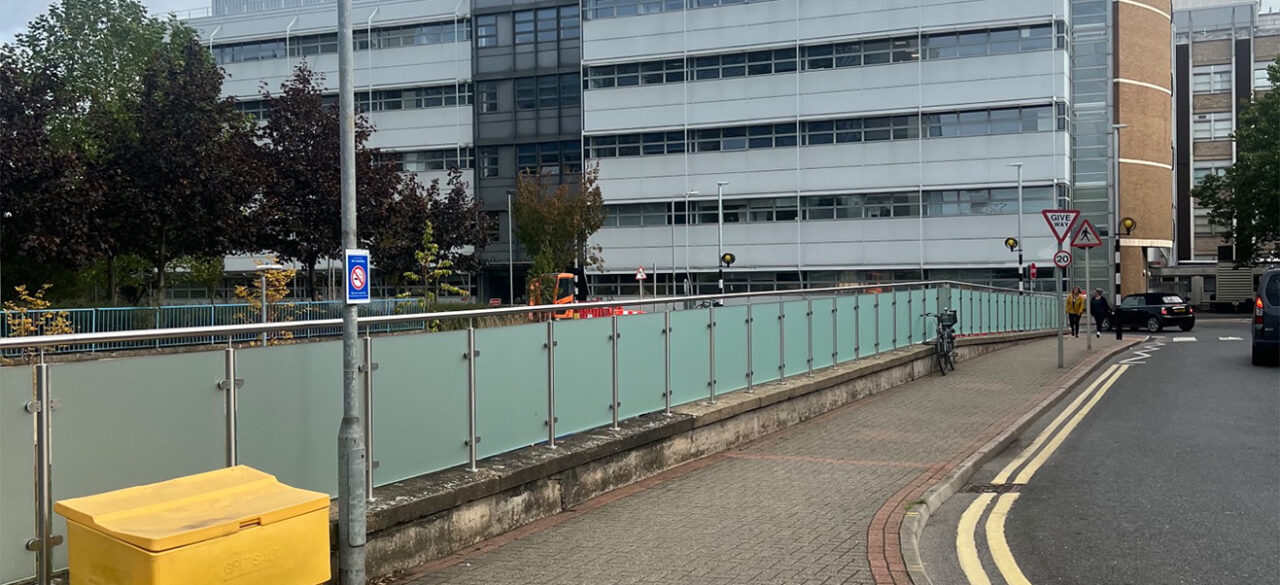
One of SWR’s most ambitious installations to date.
Indicative price bands per linear metre across the our staircase-suitable systems. Final pricing depends on run length, finish, fixings and project complexity — exact figures issued at quote stage.
Yes, all of our systems can be adapted to curved staircases. However, it is important to check each project meets the building regulations and we can advise you in this regard.
Glass channel needs precise channel installation and structural sign-off — it’s the one system we don’t recommend for self-install. SWR supplies and installs glass channel with our employed install team. For self-builders wanting glass on the staircase, modular glass is a more realistic supply-only specification.
Yes for wire and stainless handrail systems — both retrofit cleanly to existing newel posts, stringers or walls. Modular glass and glass channel are harder to retrofit without significant disruption to the existing stair structure.
Send us a sketch, a photo of your staircase, or a set of architect’s drawings. You’ll have a detailed wire balustrade quote within one working day.