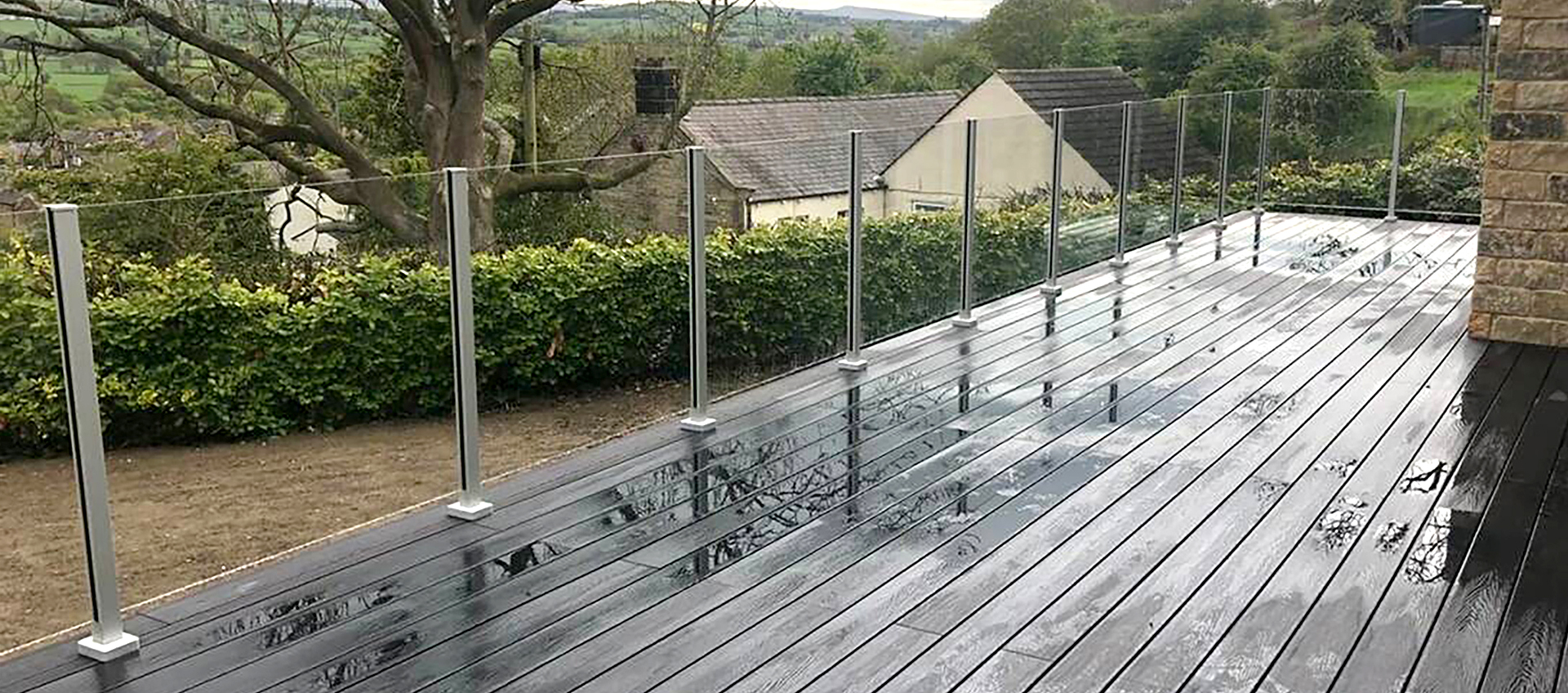
Stainless steel requires routine cleaning to maintain its finish and prevent corrosion. As members of the British Stainless Steel Association, SWR advise all customers to carry out regular maintenance on their system. This guide covers everything you need to know, from day-to-day cleaning through to annual checks.
— 01 Why maintenance matters.
Stainless steel is not corrosion-proof. Without regular cleaning, contaminants build up on the surface and can cause staining or pitting over time. This is particularly true in coastal or urban environments where salt and pollution accelerate the process.
The good news is that stainless steel responds well to cleaning, as long as the right products and methods are used. A simple routine, done consistently, is enough to keep most systems in good condition indefinitely.
— 02 Cleaning stainless steel.
For routine cleaning, warm water and a soft cloth is usually sufficient. For more stubborn marks, use a mild detergent or a cleaning product specifically designed for stainless steel. SWR supply their own cleaner, formulated for stainless steel balustrades, which leaves a protective film to help with future maintenance.
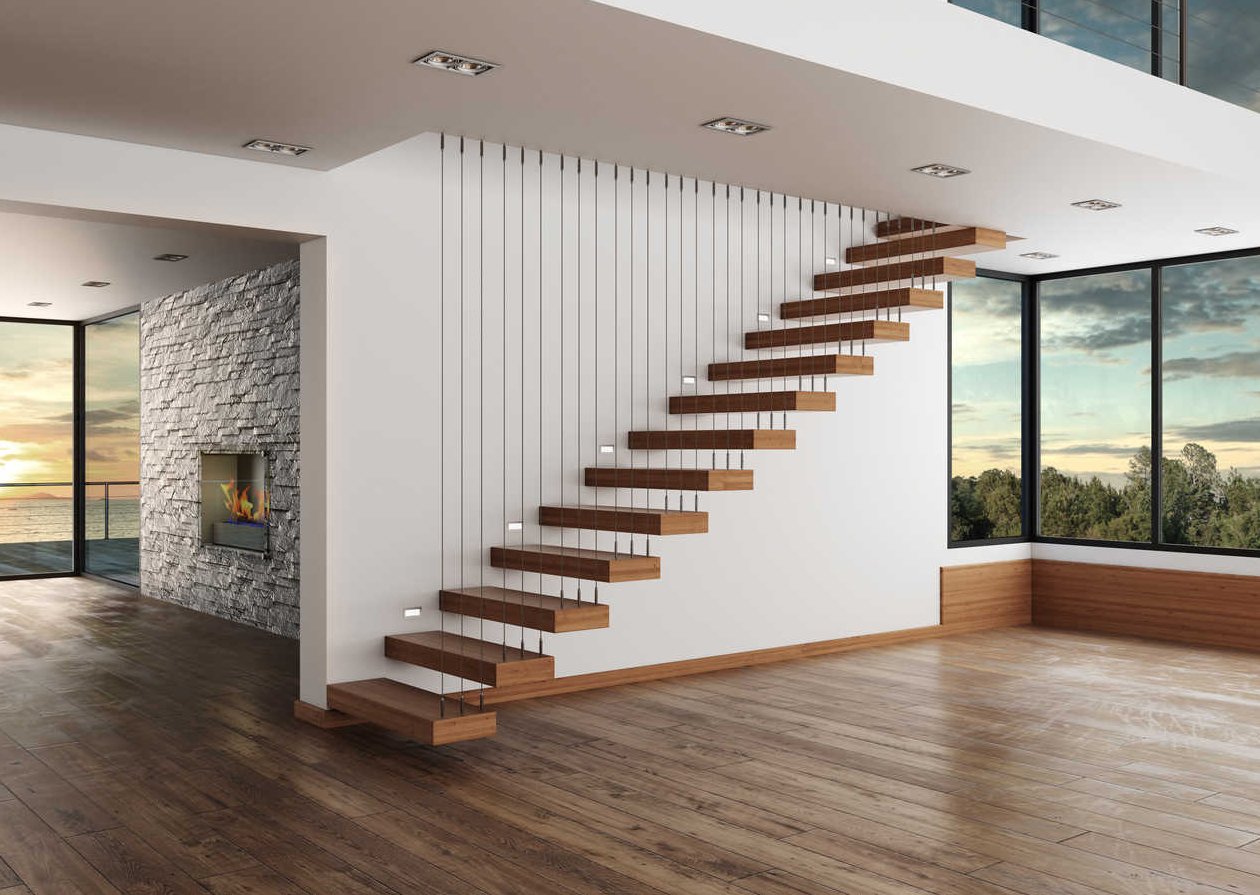
The 100mm sphere rule is the reason most new staircase balustrades get rejected. It’s easy to design around, hard to design through.
— SWR Technical Team
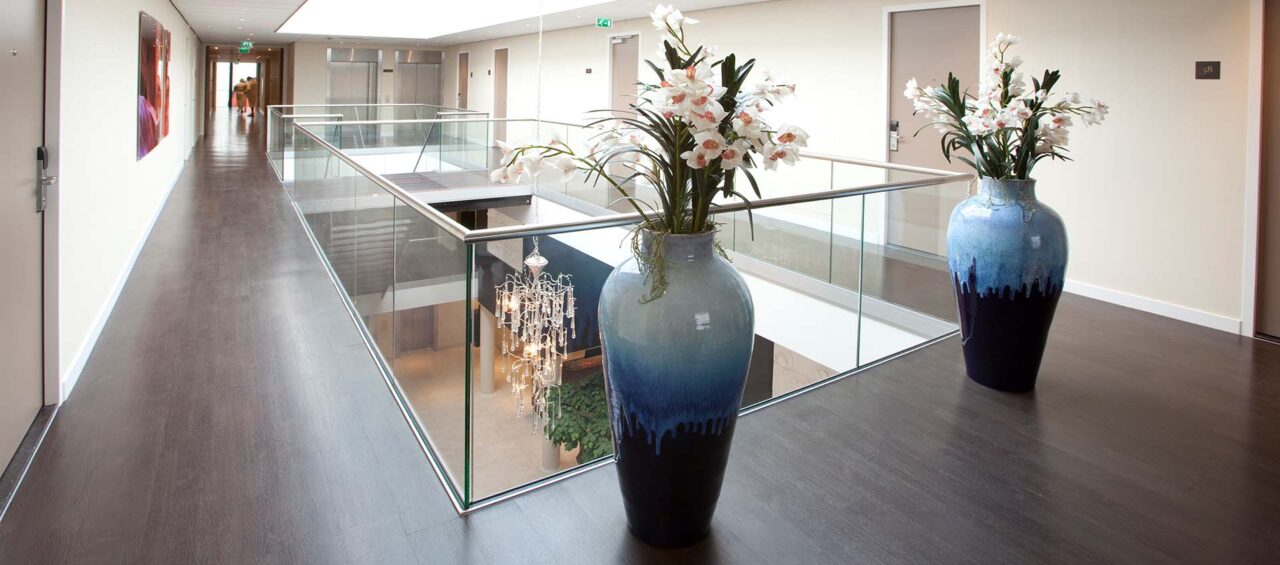
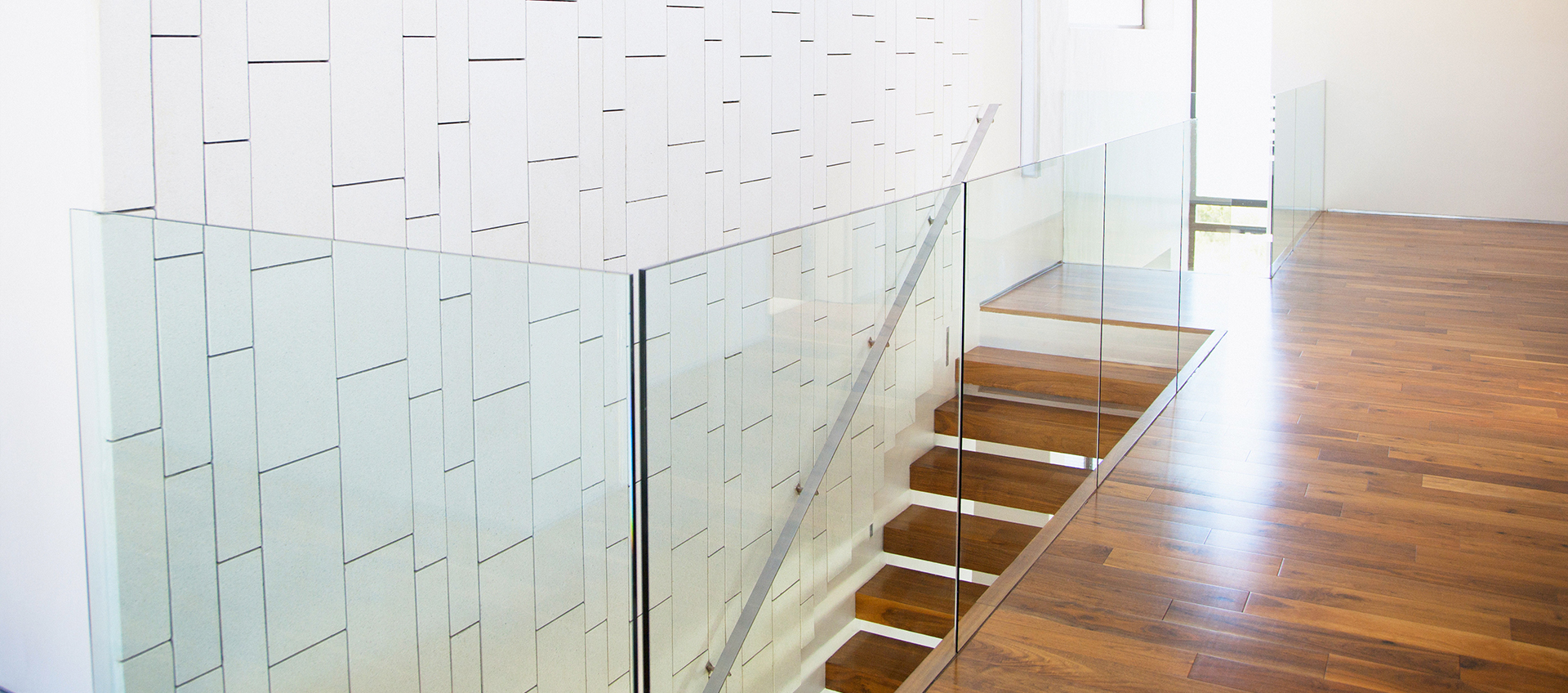
Fig 1 Glass selection is governed by opening size and post centres. A 1,200mm post-centre frameless glass channel run typically requires 13.5mm laminated toughened on residential applications.
— 03 Cleaning glass.
Glass panels should be washed down with warm soapy water and a soft lint-free cloth. Avoid abrasive cleaners, which can scratch the surface. Always rinse with clean water after cleaning and wipe dry to prevent water spots and streaks.
Clean both sides of the glass — interior surfaces accumulate fingerprints and grime just as quickly as the exterior. Work from top to bottom to avoid re-contaminating areas you have already cleaned.
For stubborn mineral deposits or limescale, a dedicated glass cleaner is the safest option. Avoid ammonia-based products, which can leave a hazy finish over time.
— 04 Coastal and harsh environments.
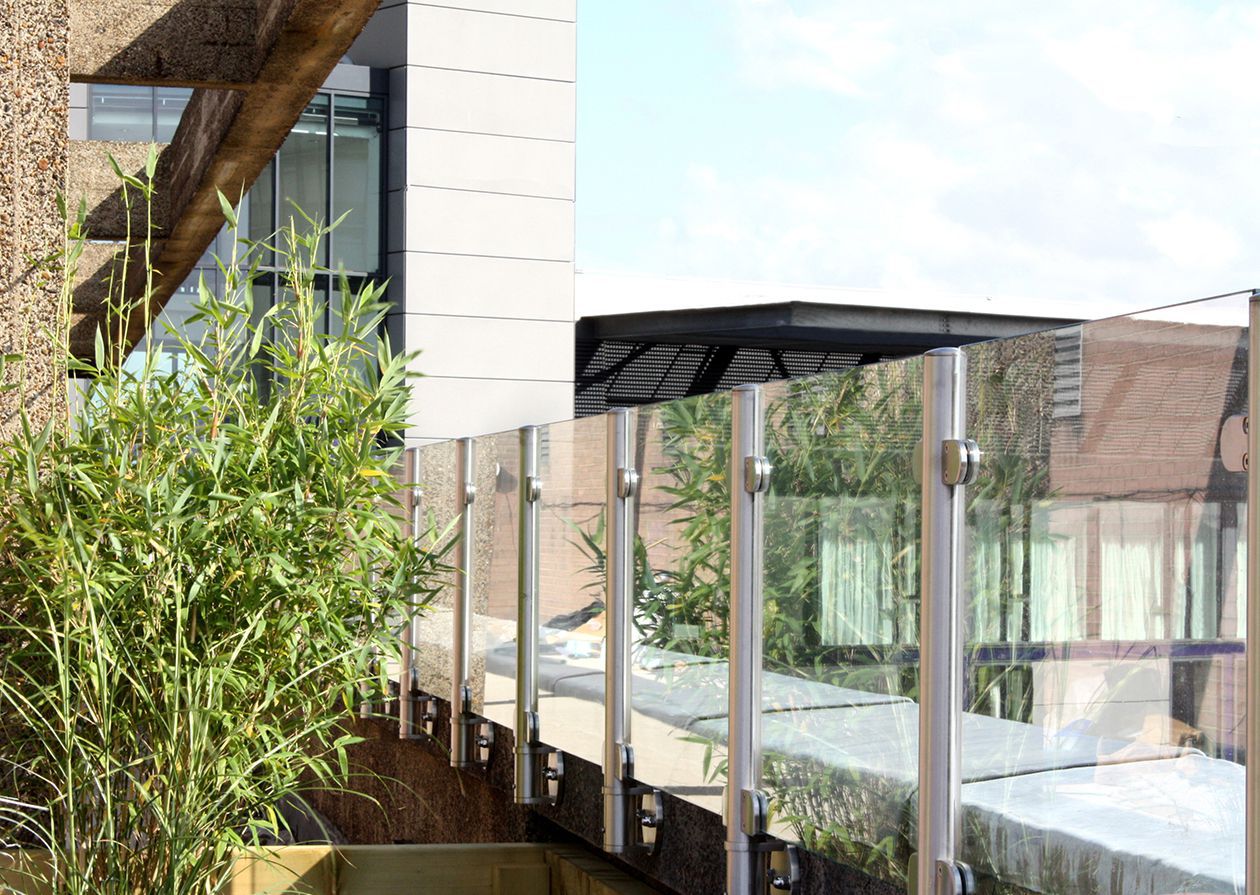
In coastal or industrial environments, salt and airborne pollutants accelerate corrosion on both stainless steel and fittings. Grade 316 stainless steel, which SWR use for external applications, offers better resistance than 304 due to its molybdenum content, but it still requires more frequent attention in these conditions.
In coastal locations, SWR recommend cleaning every three months as a minimum. In normal urban or inland environments, every six months is generally sufficient, or more frequently if the system is heavily used.
In coastal or industrial environments, more frequent cleaning is essential. Salt deposits left on the surface accelerate corrosion and can permanently damage the finish if not removed.
— British Stainless Steel Association · Guidance
— 05 Annual checks.
Once a year, carry out a more thorough inspection of the whole system. Check the following:
- Glass panels for chips, cracks, or signs of damage
- Fixings, brackets, and spigots for looseness or corrosion
- Handrail joints and connections for stability
- Base fixings for any movement or water ingress
- Surface finish for staining or pitting that may need treatment
Any damage to glass should be addressed promptly. Even minor chips can compromise the structural integrity of the panel.