UK balustrade regulations apply to any installation where a fall could cause injury. This includes staircases, landings, balconies, mezzanines, and raised areas in both domestic and commercial buildings. This guide covers the key requirements, how load testing works, how domestic and commercial rules differ, and where to find SWR test certificates for each system.
— 01 What the regulations cover
Any balustrade installed where a fall could cause injury is subject to UK building regulations. This includes staircases, landings, balconies, mezzanines, and any raised area in both domestic and commercial buildings.
The regulations apply to new builds and most renovation projects. Two documents govern compliance: Approved Document K, which forms part of the Building Regulations 2010, and BS 6180:2011, the British Standard for barriers in and about buildings.
— 02 Approved Document K — the four headline rules.
Approved Document K sets the minimum standards a balustrade must meet on any UK building.
1. Guard-rail height
On domestic stairs, the guard-rail must be at least 900mm, measured vertically above the pitch line of the stair. On landings and balconies, this rises to 1,100mm.
2. The 100mm sphere rule
Any opening in a balustrade must not allow a 100mm sphere to pass through. This applies to gaps between infill panels, balusters, or glass, and covers the full height of the balustrade.
3. The 150mm sphere rule
At the base of the balustrade, the gap between the bottom of the infill and the floor or stair surface must not allow a 150mm sphere to pass through.
4. Hand Support
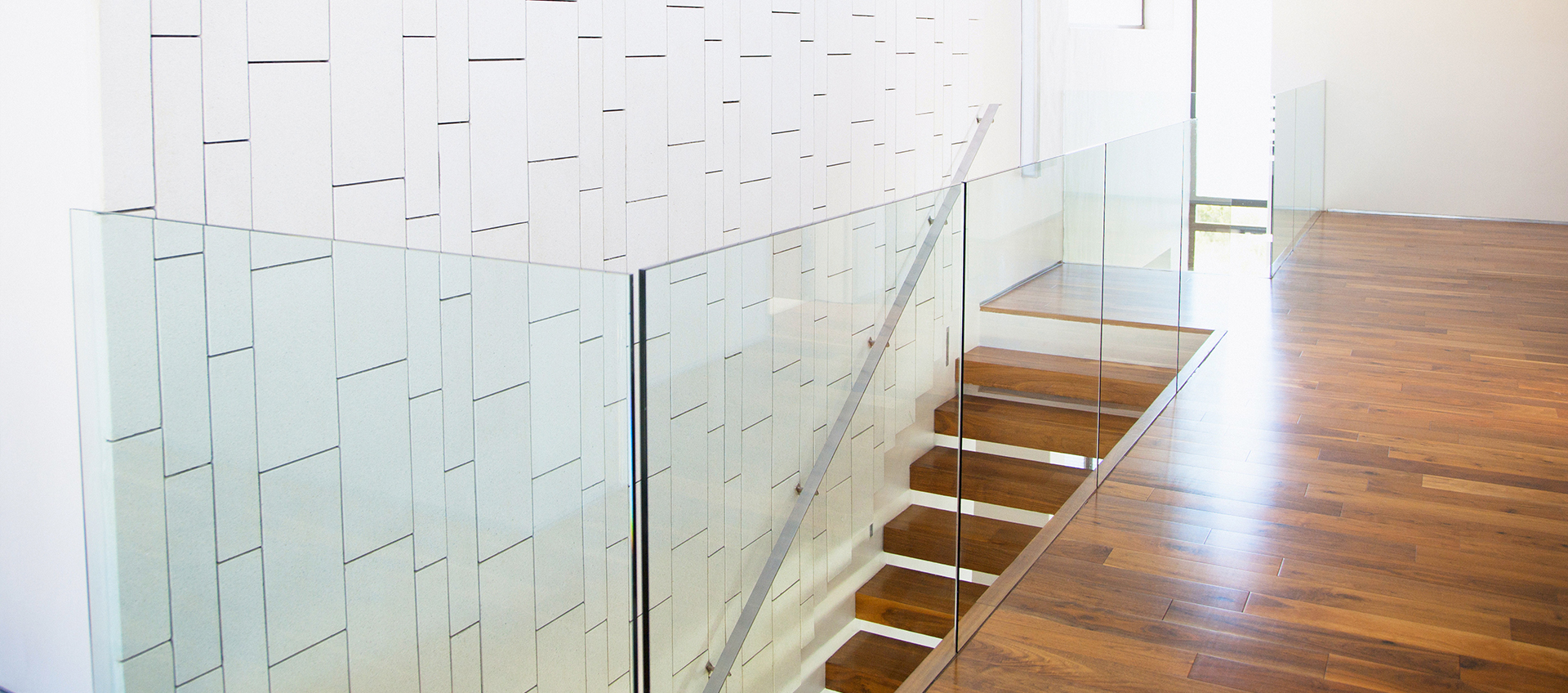
A continuous handrail must be provided on at least one side of any stair flight. On stairs wider than 1,000mm, a handrail is required on both sides.
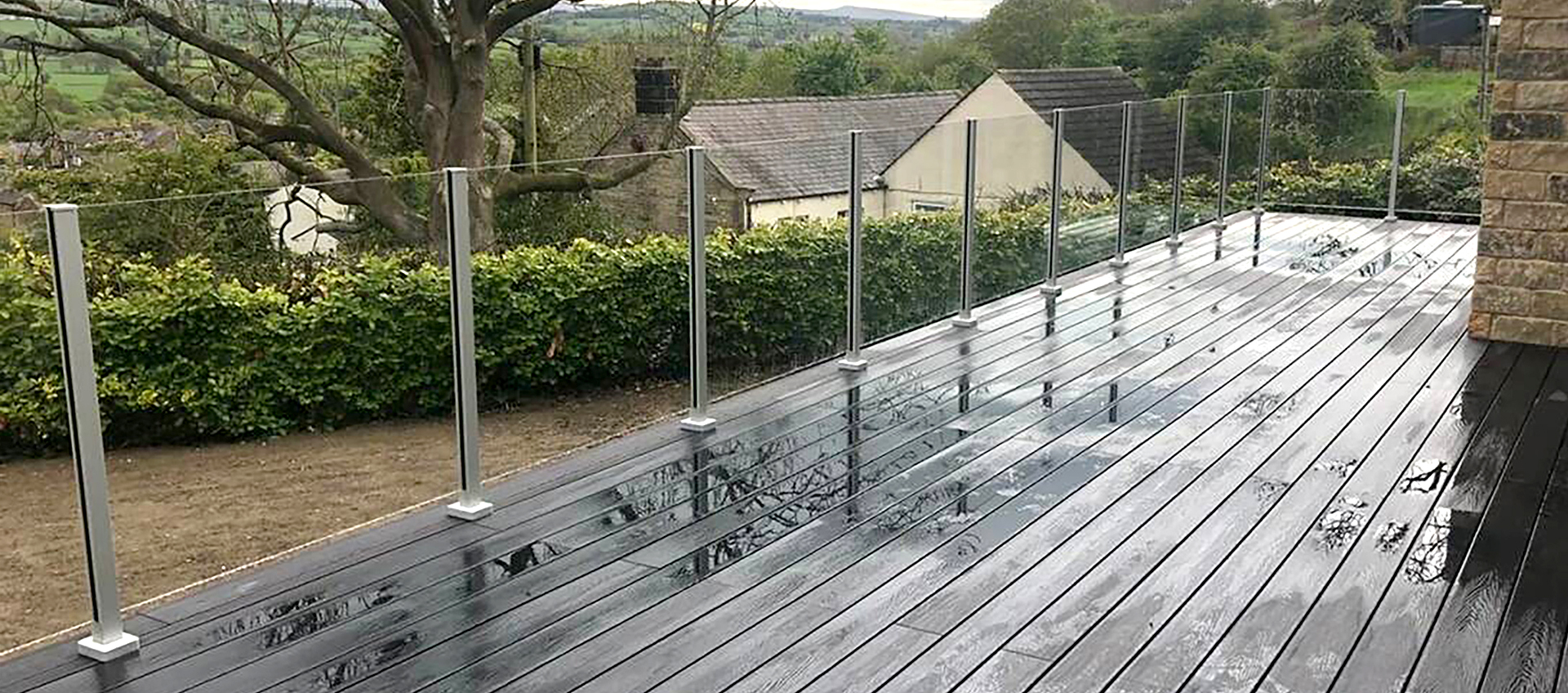
Fig 1 Glass selection is governed by opening size and post centres. A 1,200mm post-centre frameless glass channel run typically requires 13.5mm laminated toughened on residential applications.
— 03 BS 6180:2011 — the structural test.
BS 6180:2011 sets out the load requirements a balustrade must be able to withstand. SWR systems have been tested to BS 6180 and are approved for both residential and commercial use.
— Type of area
— Recommended load (kN/m)
— 04 Where residential and commercial regs differ.
The same underlying regulations apply to both, but the thresholds change depending on the building type and use.
1. Height
Domestic balustrades must be at least 900mm on stairs and 1,100mm on landings. Commercial buildings follow the same minimums but enforcement tends to be stricter and inspections more formal.
2. Load
Domestic balustrades must withstand a line load of 0.36kN/m. Commercial installations in areas where people congregate must withstand up to 1.5kN/m.
3. Glass specification
For glass channel systems, toughened or toughened and laminated glass is required in commercial settings. SWR can advise on the correct specification for your application.
— 05 SWR systems and compliance.
All SWR balustrade systems have been tested to BS 6180 and are approved for residential and commercial projects. Test certificates are available to download for each system via our download page.
— 06 Summary.
- Any balustrade on a stair, landing, or raised area is subject to UK building regulations
- Approved Document K sets the height and infill gap rules
- BS 6180 sets the structural load requirements
- Domestic and commercial thresholds differ, particularly on load
- All SWR systems are tested and approved for residential and commercial use
- Test certificates are available for every system